
IWC Schaffhausen, a story of engineering and precision

Founded in 1868 by American watchmaker and engineer Florentine Ariosto Jones, IWC Schaffhausen was born from the ambition to combine Swiss watchmaking expertise with a modern engineering approach. Jones chose Schaffhausen, on the banks of the Rhine, to harness the river’s hydraulic energy and build upon an already established mechanical tradition.

Throughout the 20th century, IWC became a benchmark for functional and technical timepieces. The Manufacture developed robust and accurate movements, accompanying the rise of the wristwatch. As early as the 1930s, it met the demands of professionals (navigators, engineers and pilots) by creating legible and reliable timepieces designed for demanding conditions.

From the 1950s onward, IWC fully affirmed its identity as a watchmaker-engineer through iconic creations such as pilot’s watches, the Ingenieur and the first Portugieser models. Faithful to its spirit of innovation, the brand also distinguished itself through the introduction of anti-magnetic solutions and pioneering use of modern materials such as titanium.

Ingenieur: IWC’s expression of its vocation as a watchmaker-engineer

Launched in 1955, the Ingenieur was originally designed as a tool watch for engineers and scientists exposed to magnetic fields. It stands out for its refined industrial design, brushed stainless steel bezel and perfectly legible dial.

The Ingenieur has evolved over the decades and in 1976, IWC entrusted Gérald Genta – one of the greatest-ever watch designers – with redesigning the collection. His intervention gave rise to the Ingenieur SL model, a true bridge between technical heritage and modern aesthetics. Gérald Genta’s vision profoundly shaped the watch’s identity, gradually transforming it into a luxury sports watch icon. Reinterpreted several times, it symbolises IWC’s cherished balance between heritage, performance and modernity.

Presented at Watches and Wonders Geneva 2025 , the latest iteration of the Ingenieur continues this legacy. Among the new releases, a black ceramic model is characterised by a modern, elegant silhouette featuring a study case and a textured black dial.

IWC Portugieser Eternal Calendar: the embodiment of Swiss watchmaking excellence

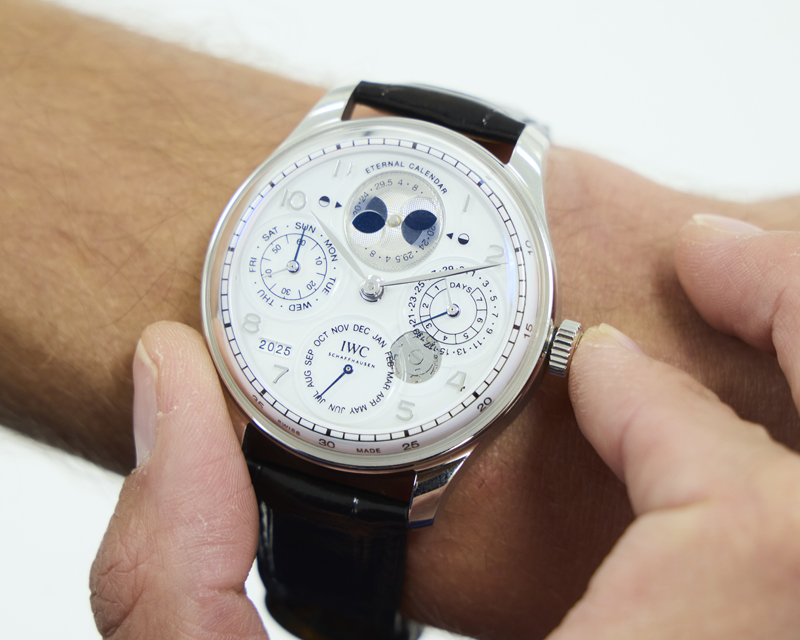
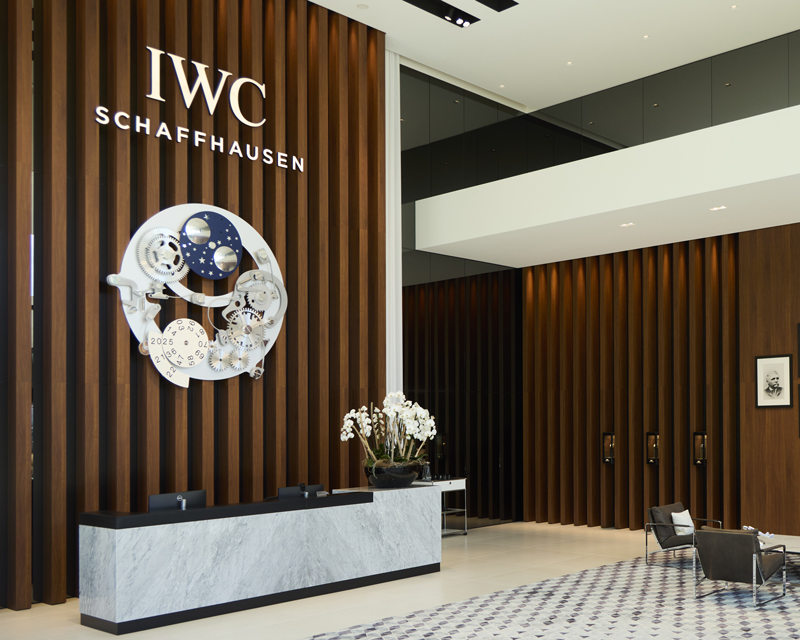
Reference IW505701 is a masterpiece from IWC Schaffhausen, crowned with the Aiguille d’Or at the 2024 Grand Prix d’Horlogerie de Genève, an award that recognizes technical excellence and horological innovation. This model represents the pinnacle of watch complications, featuring a “secular” perpetual calendar capable of operating without error until the year 3999. It incorporates an innovative mechanism that automatically skips invalid leap years (such as 1700, 1800, 1900, etc.), ensuring unparalleled accuracy over several centuries.

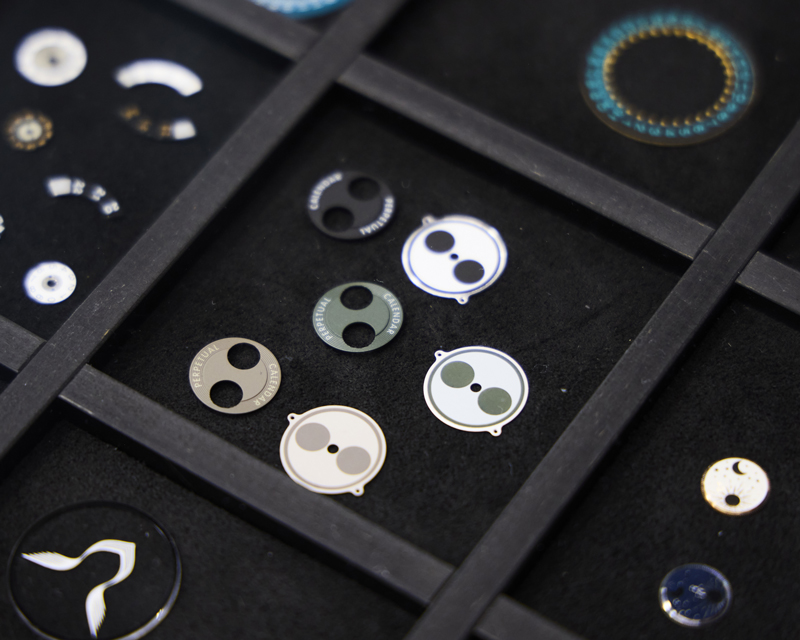
One of its standout innovations is the Double Moon™ moon phase display, presented via a dual-disk mechanism that shows lunar cycles in both hemispheres (North and South). This system combines exceptional readability with remarkable precision: an error of just one day after 45 million years.

The dial features a four-digit year window positioned between the 7 and 8 markers, along with indications for day, month, and date. The automatic caliber 82600, visible through the transparent case back, provides a seven-day power reserve.

IWC Schaffhausen: A living manufacture

The historic headquarters of IWC was built between 1874 and 1875 according to the plans of architect G. Meyer, under the direction of American watchmaker Florentine Ariosto Jones. Its strategic location on the banks of the Rhine was no coincidence: the hydraulic energy provided by the river powered the production machines, enabling continuous and precise manufacturing, essential for the quality of the watches. This renewable energy source, combined with local expertise, allowed the manufacture to develop rapidly. Classified as a historical monument, this building has retained its central role in the brand’s history, housing the IWC Museum since 1993.

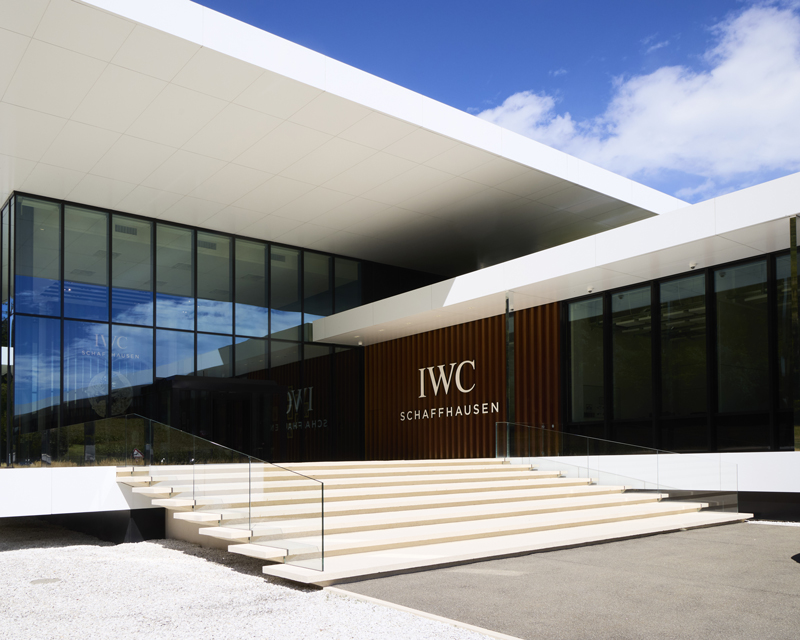
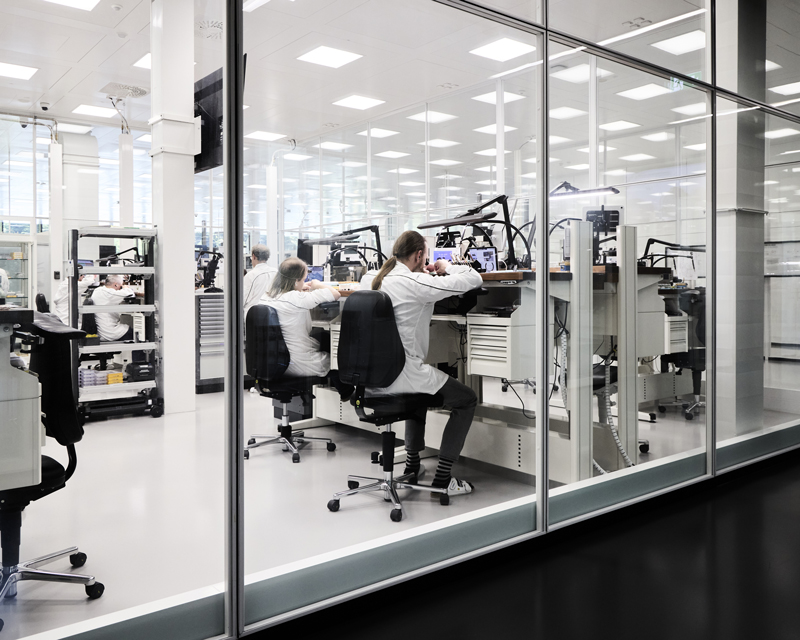
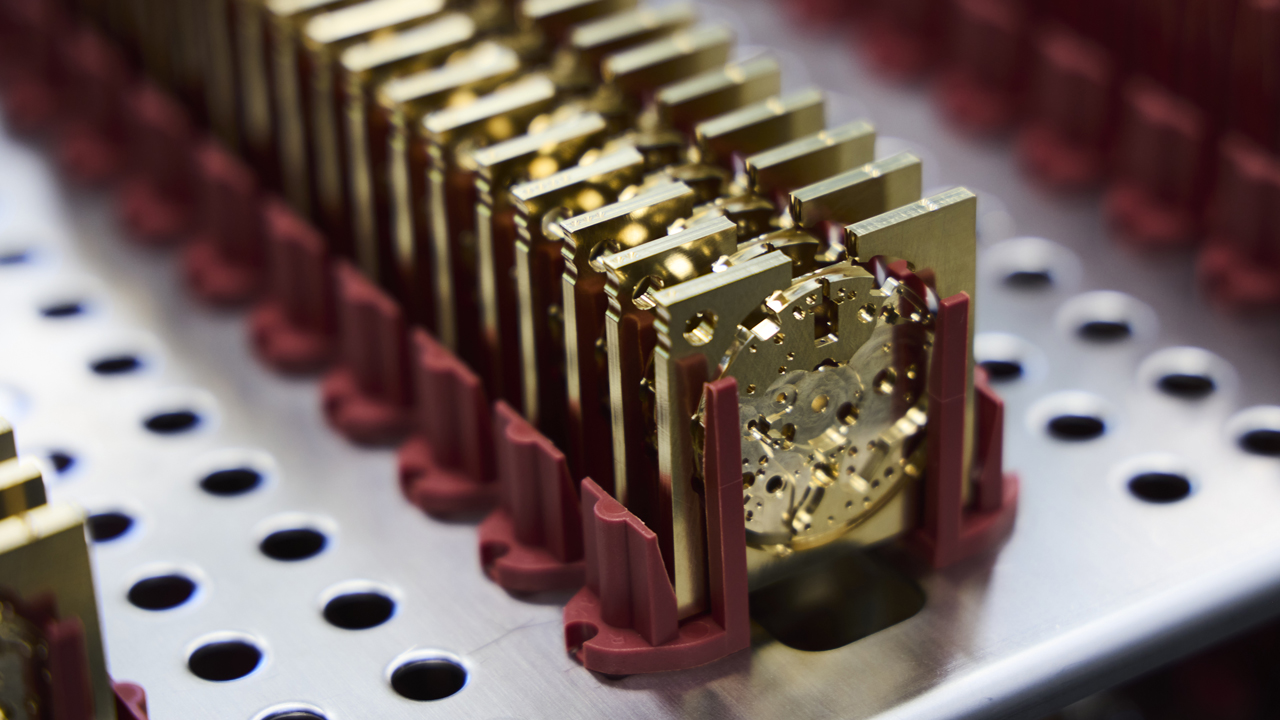
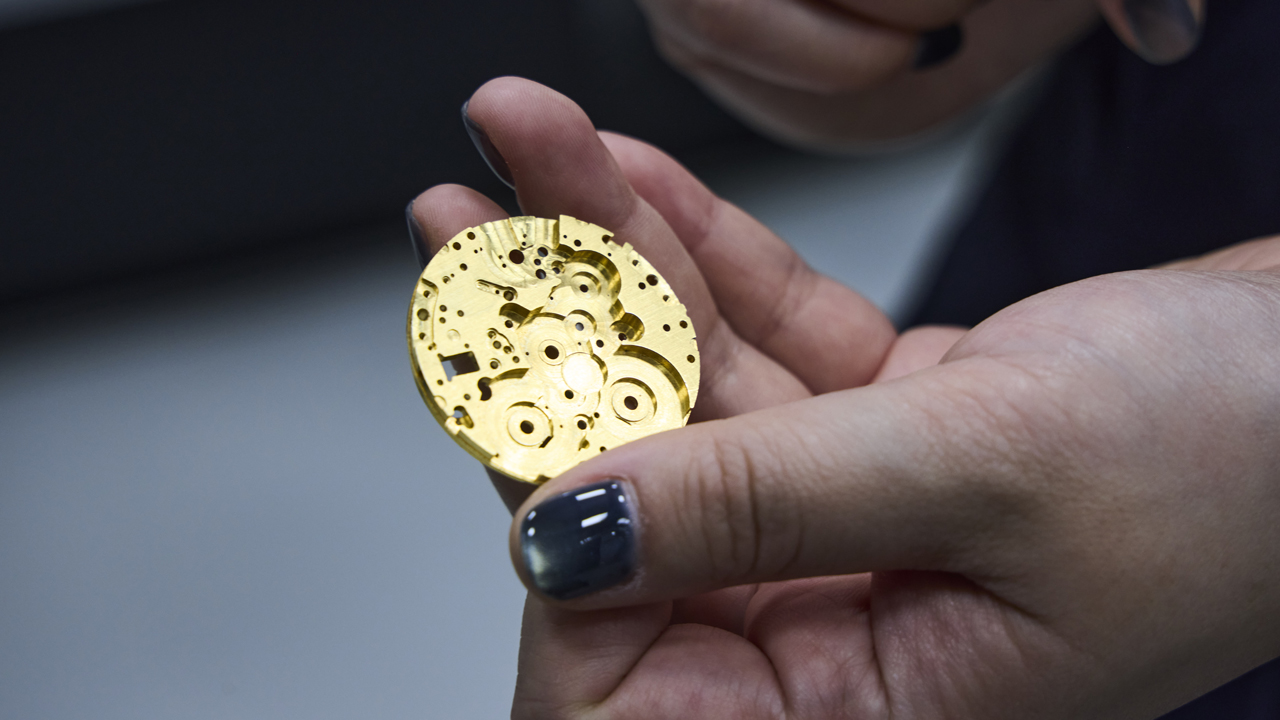
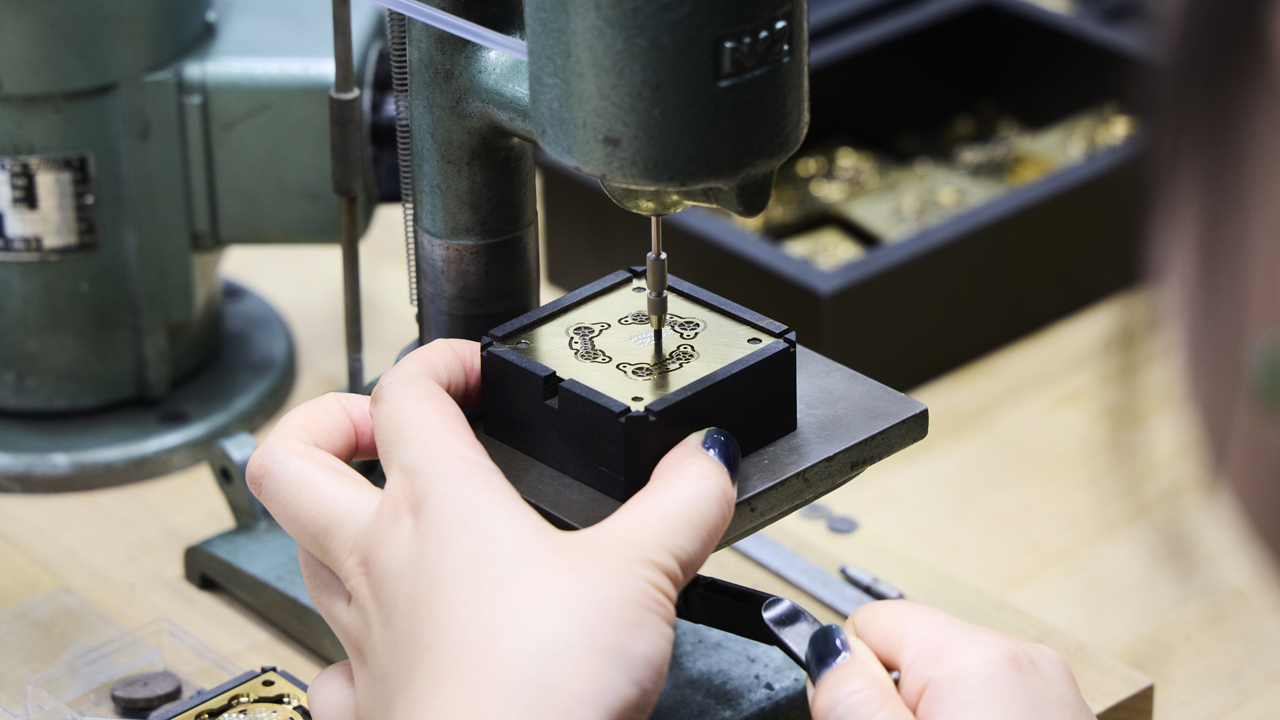
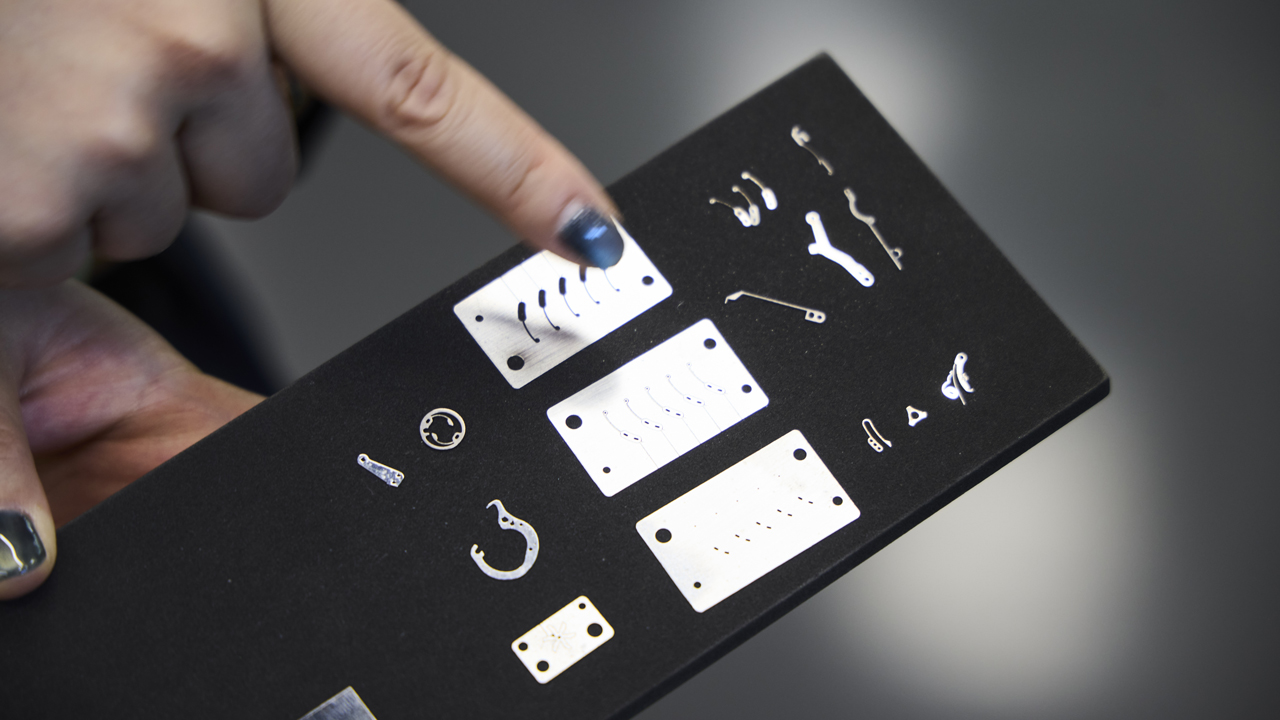
In 2012, IWC acquired a 20,000 sqm plot near Schaffhausen to build its Manufakturzentrum, a modern production center whose construction lasted 21 months. This iconic building houses all the crafts of watchmaking: from design to the production of cases in advanced materials (titanium, ceramic, Ceratanium®), through movement assembly, engraving, polishing, and final assembly.

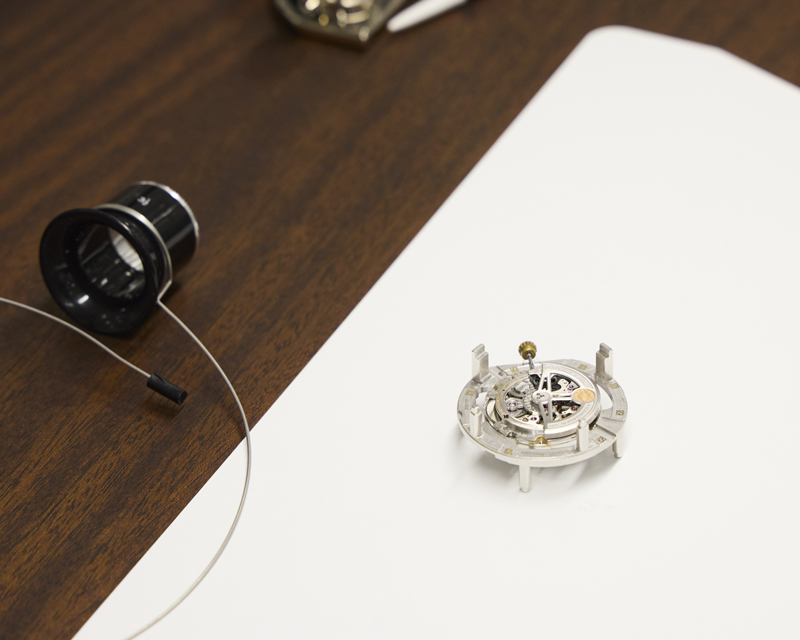
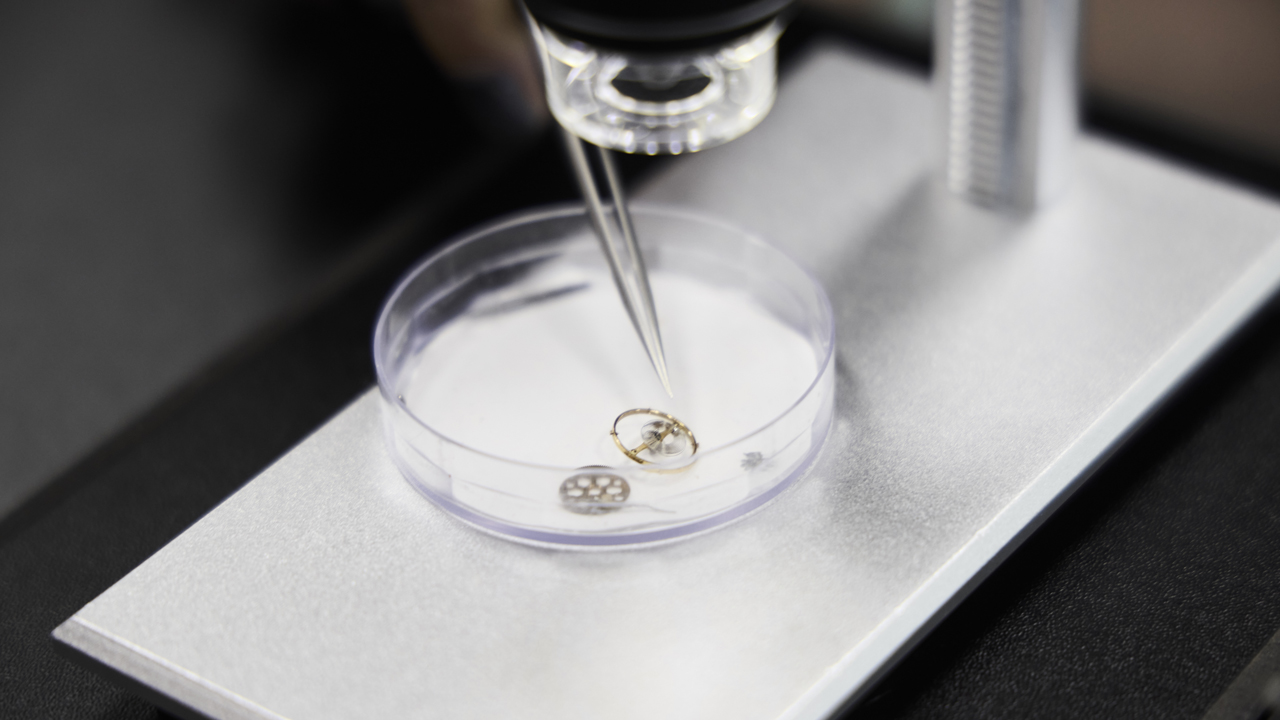
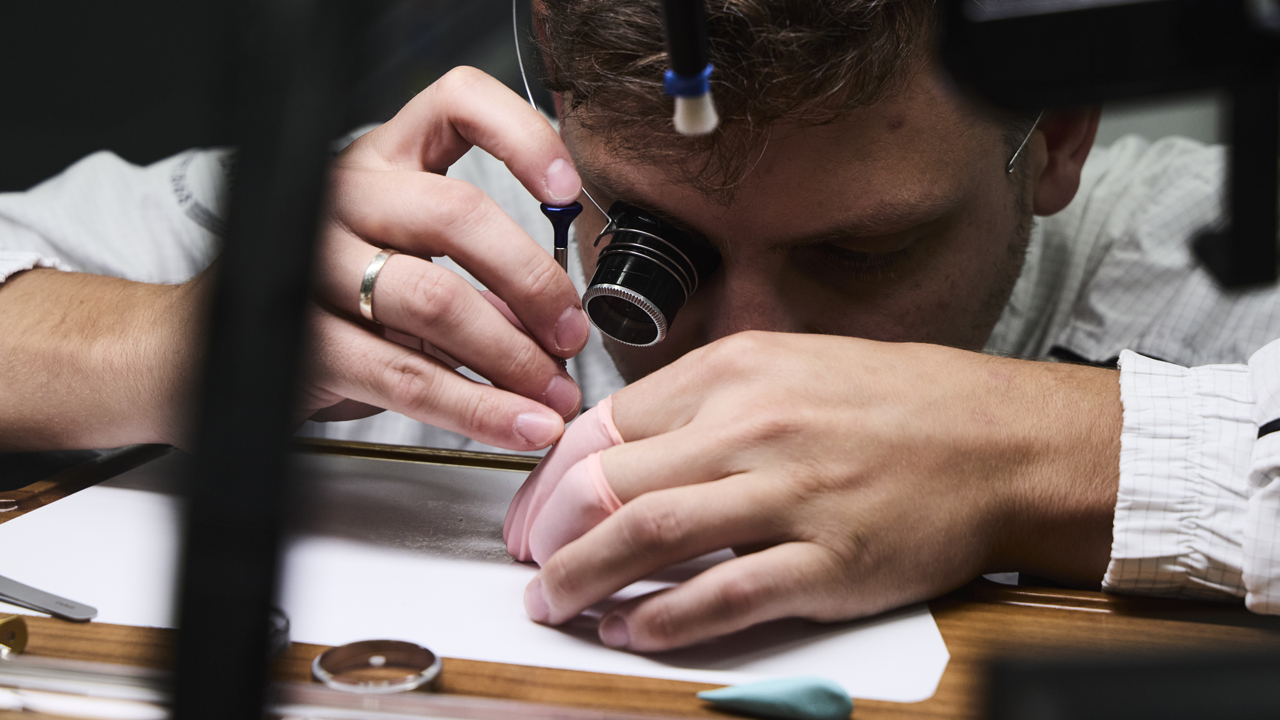
Each IWC watch is the result of collective craftsmanship, where every trade contributes to the final quality. The various employees master rare skills, such as manual finishing of components, creating sophisticated complications, or implementing innovative materials. It is this union of tradition and innovation that makes IWC Schaffhausen a living manufacture, faithful to its heritage while pushing the boundaries of traditional watchmaking.